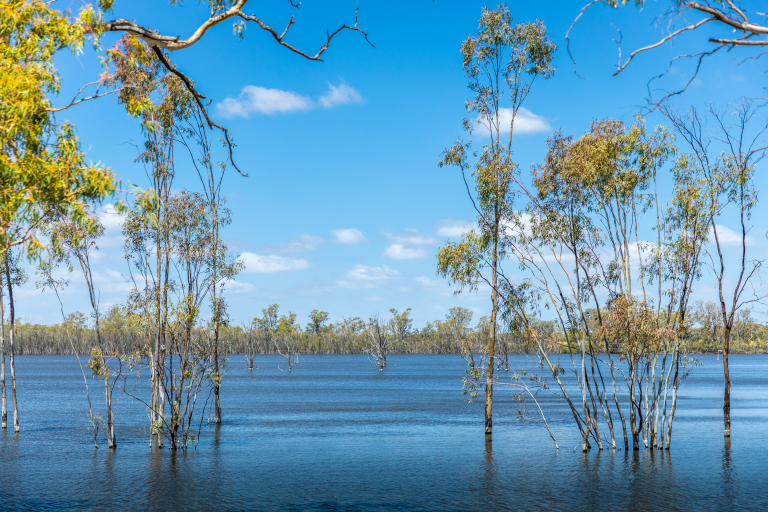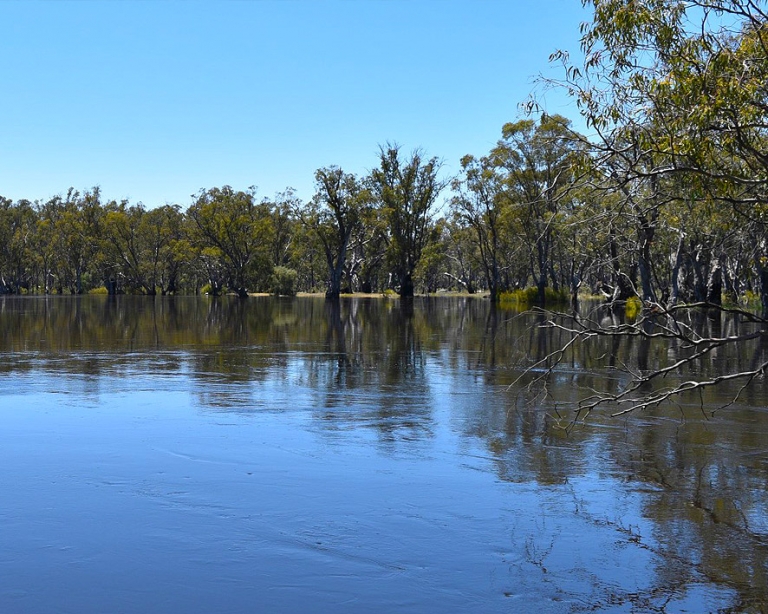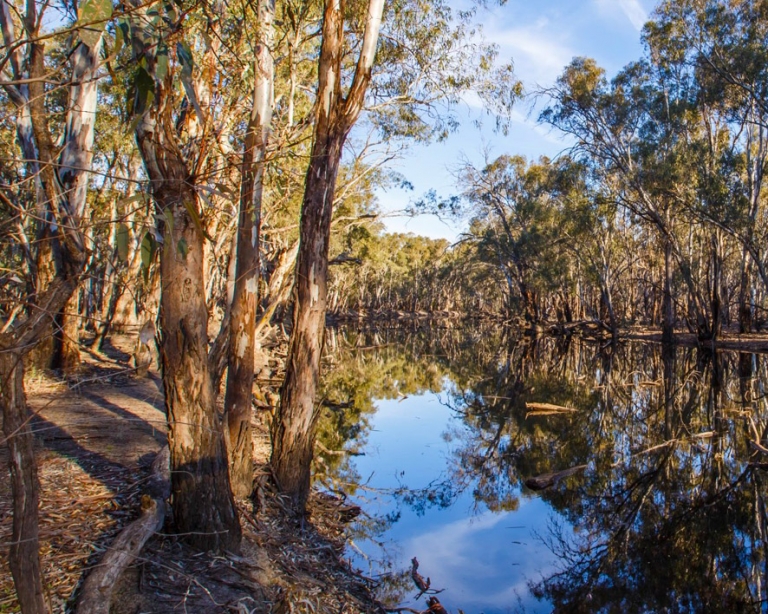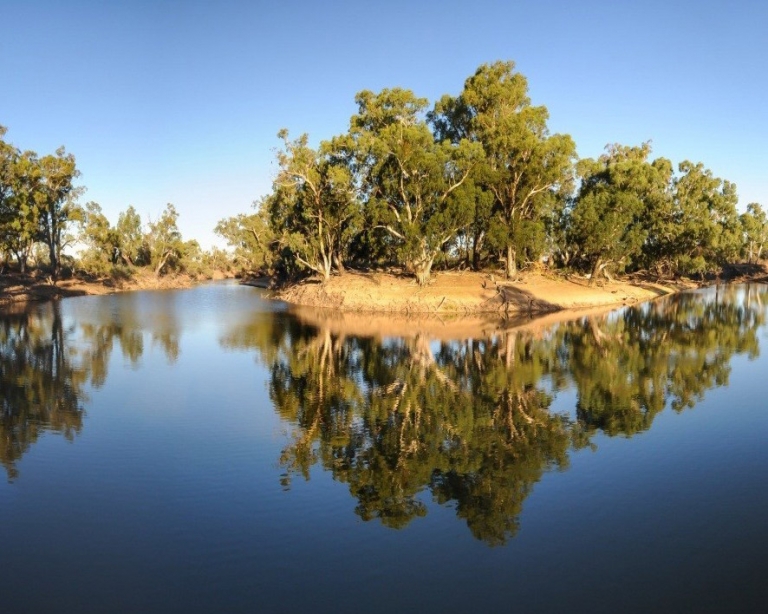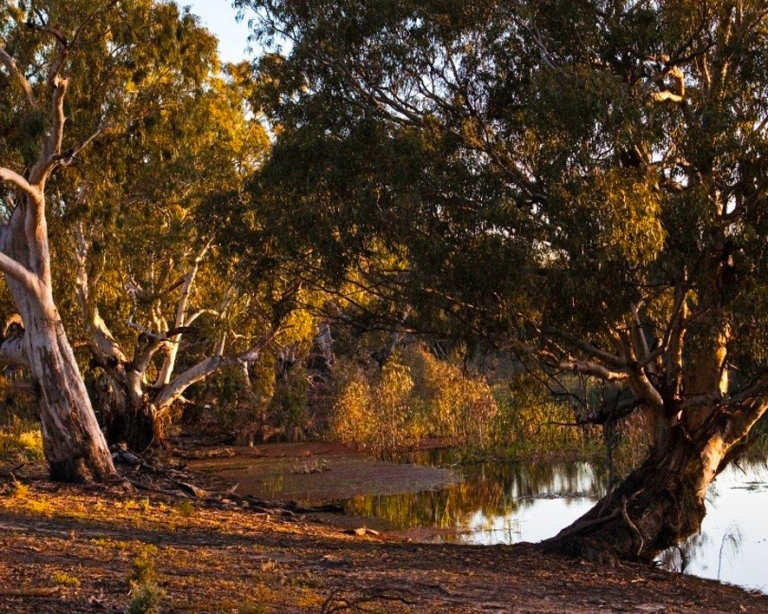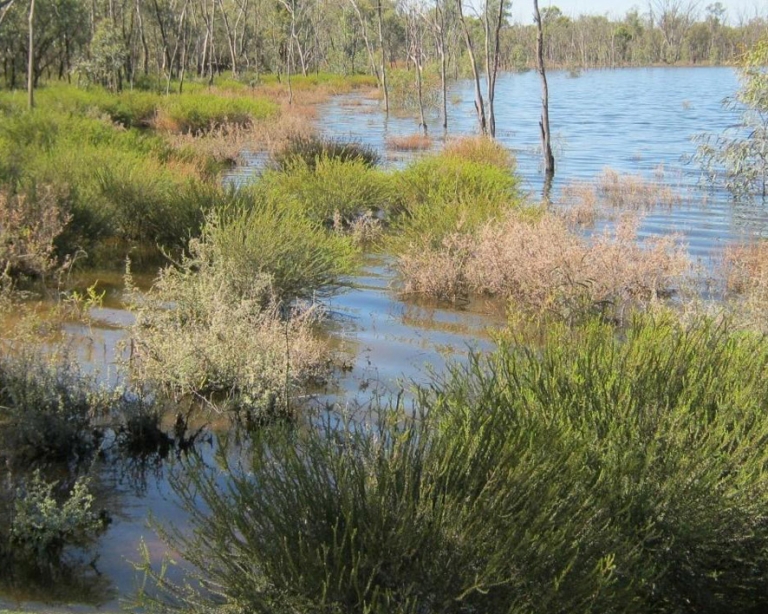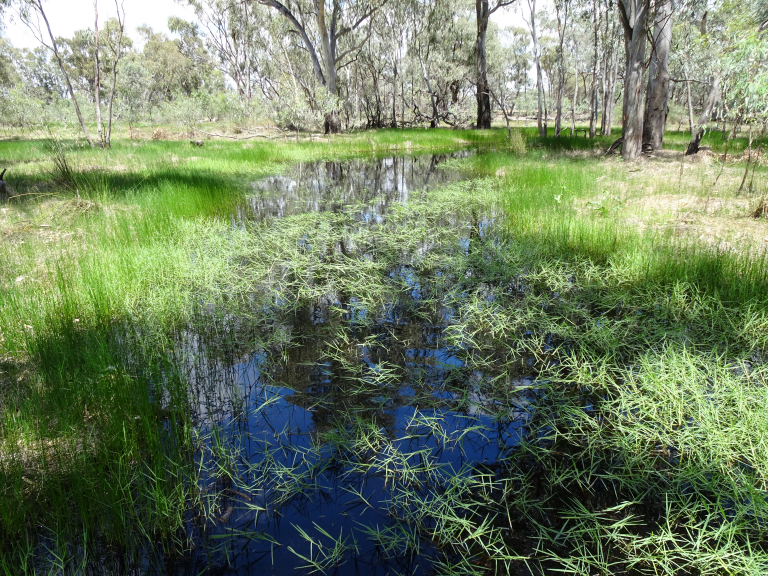
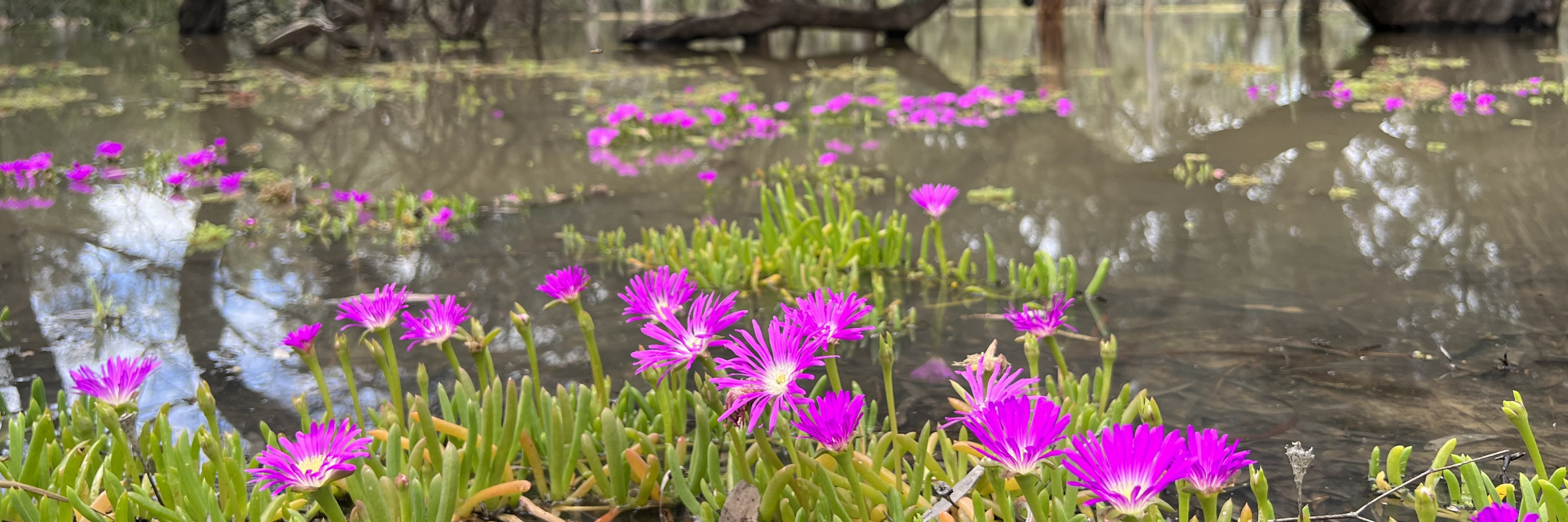
The VMFRP is one of the largest coordinated environmental improvement programs currently being delivered along the Murray River.

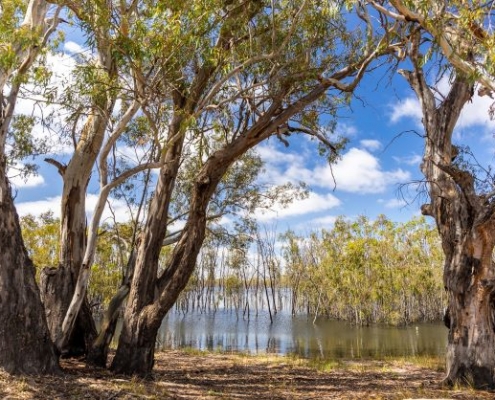
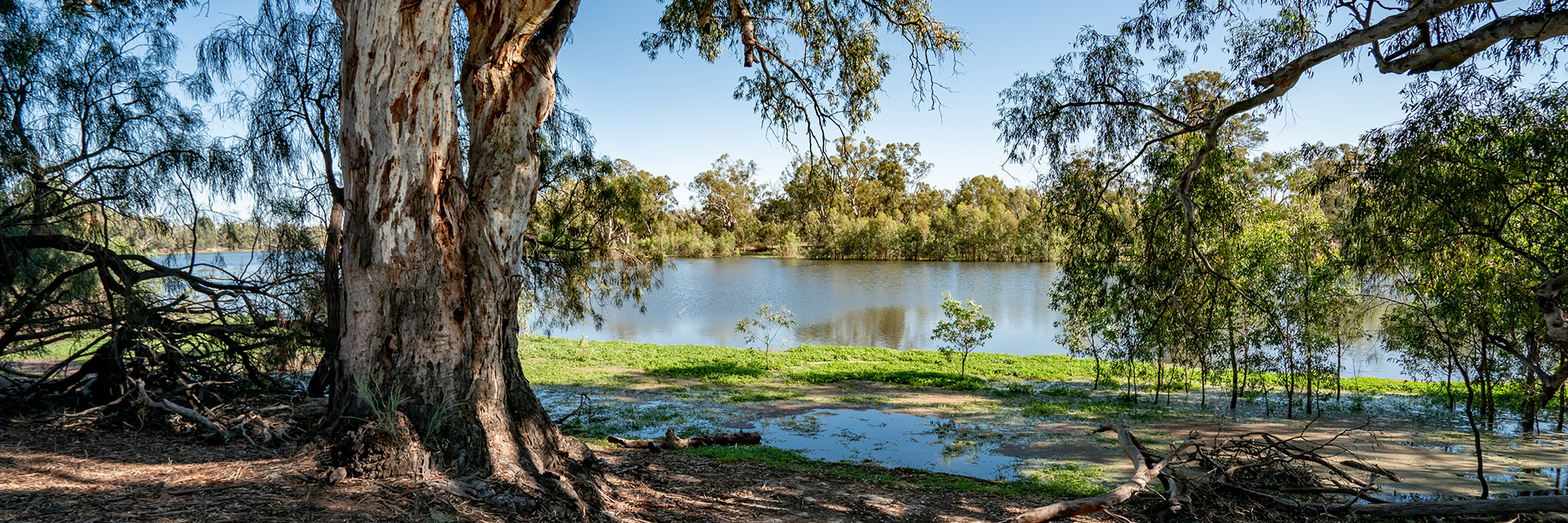
The Victorian Murray Floodplain Restoration Project (VMFRP) will get much needed water back onto nine high-value floodplains along the Murray River. Without this water, these iconic landscapes will continue to decline – along with the many native trees, animals and plants that depend on them.

Over the past century, the Murray River has been regulated with weirs, dams and levees to support communities, agriculture and industry. While this has delivered many benefits, it has reduced the frequency and extent of natural flooding that wetlands and floodplains need to survive.

The VMFRP will improve the ecological health of around 15,000 hectares of wetlands and flood-dependent forests by buildling carefully designed infrastructure to support the seasonal wetting cycles that native plants and animals depend on. 

Through careful planning, monitoring and consultation with Traditional Owners, land managers and local communities, the environmental works at VMFRP sites will return a more natural watering regime to Victoria’s floodplains.


Why healthy floodplains are important:

Local communities and visitors

Healthy floodplains are beautiful places to visit and are great for recreation like boating, fishing and camping.

Local wildlife

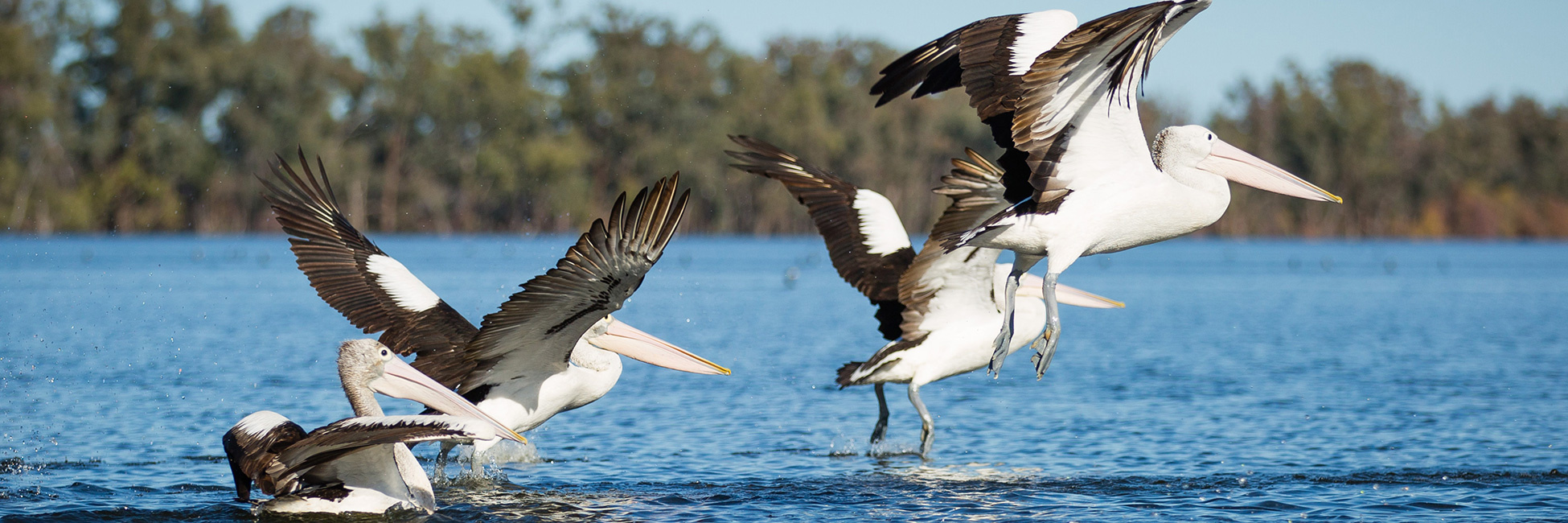
Native species rely on floodplains for food, habitat and breeding, from microscopic creatures to frogs, fish, birds, bats and other mammals.

Local economies

Projects will bring substantial financial investment into the region, creating jobs and helping local economies.

Traditional Owners

Traditional Owners have cultural, spiritual, and economic connections to land, water and resources through their relationship with Country, having managed land and water sustainably over thousands of generations.

Vegetation

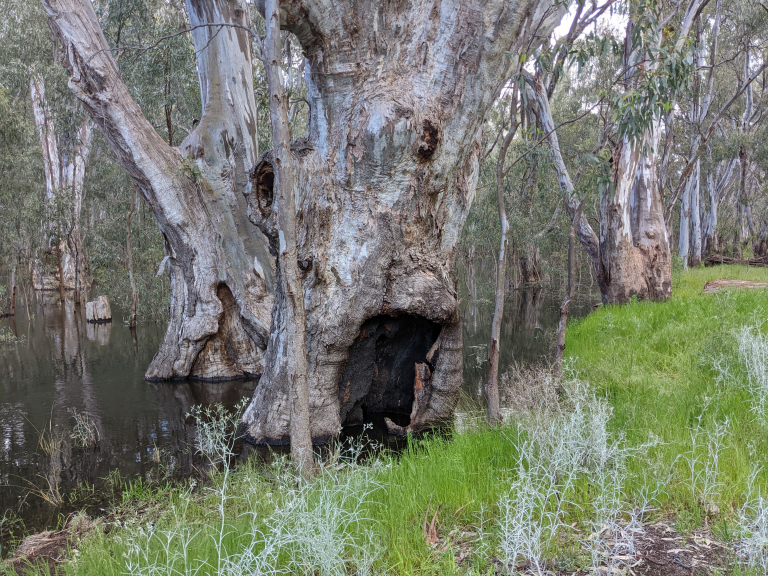
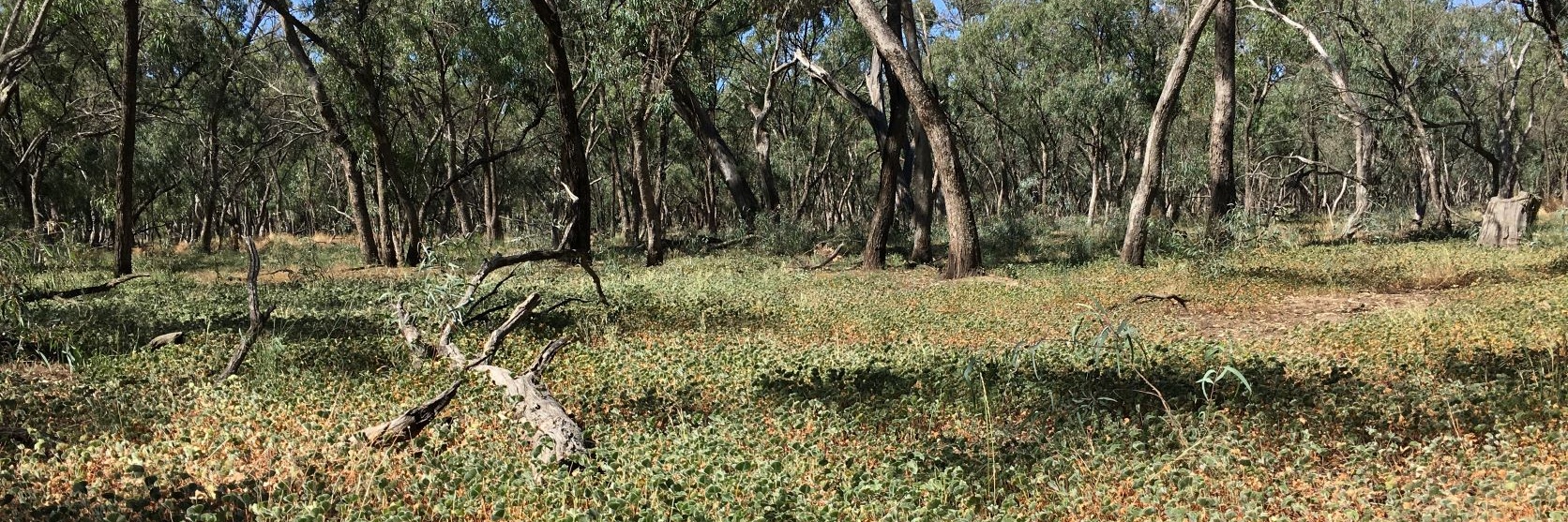
Flooding brings vegetation back to life, creating habitat, foraging and food for floodplain creatures. Some flood dependent species like river red gums and black box trees rely on bigger floods that once occurred more frequently. Animals like bats and birds nest in the hollows of these trees.

VMFRP Interactive Map

Join the Hearing in January 2023 for the Environment Effects Statement: Hattah Lakes North and Belsar-Yungera

The Hearing for the Environment Effects Statement: Hattah Lakes North and Belsar-Yungera will begin on Tuesday 17 January 2023 by videoconference using Zoom and will run for 10 days to Friday 10 February 2023.

Listen to the Directions Hearing for the Environment Effects Statement: Hattah Lakes North and Belsar-Yungera Copy

The Standing Inquiry and Advisory Committee (SIAC) held a Direction Hearings by Zoom video conference on 28 November 2022 to prepare for the Hearing for the Environment Effects Statement: Hattah Lakes North and Belsar-Yungera.

Belsar-Yungera and Hattah Lakes North Environment Effects Statement Online Information Session

Join the VMFRP project team for an online information session on the Environment Effects Statement for the Belsar-Yungera and Hattah Lakes North Floodplain Restoration Projects.

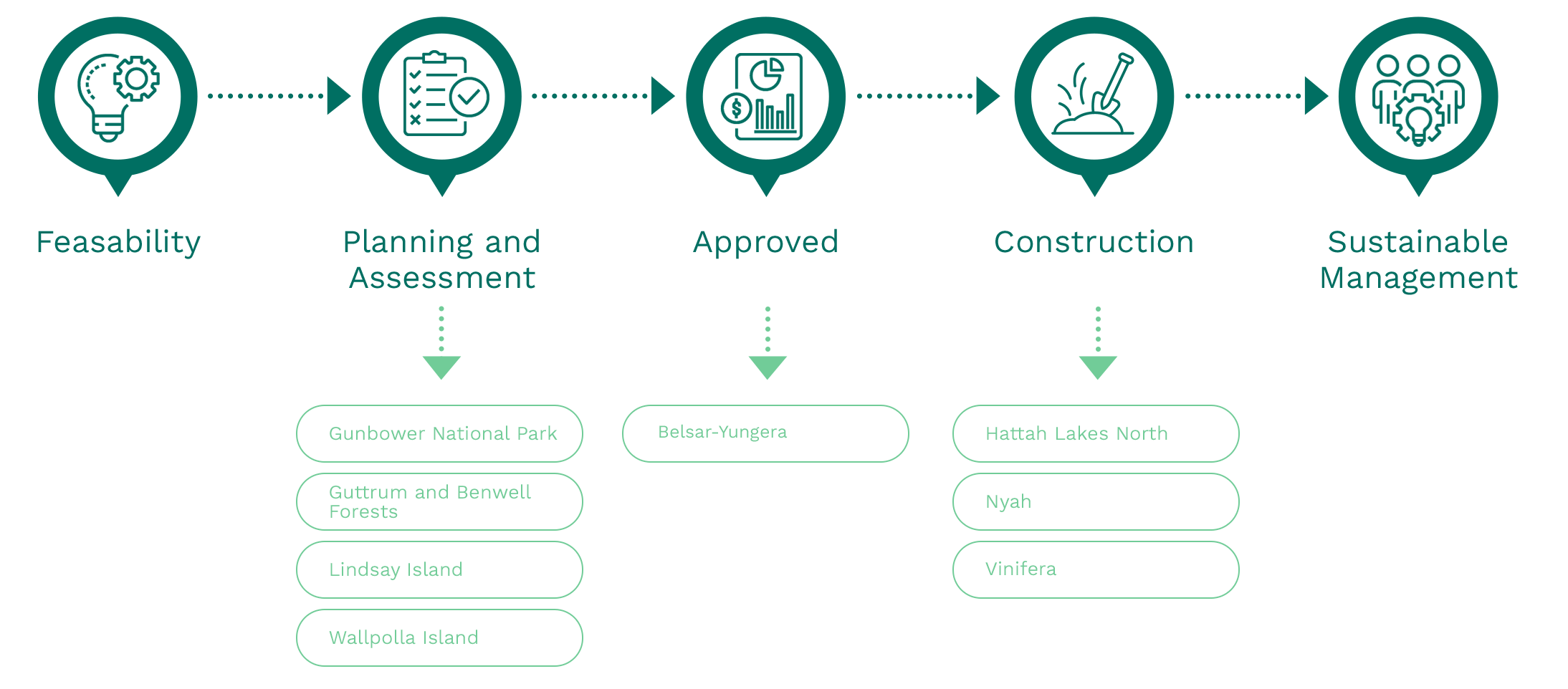
Timeline