Frequently Asked Questions
General project questions
Why choose these sites?
VMFRP sites were selected because they are likely to show tangible environmental improvements from these works and increased watering; difficult (if not impossible) to water in other ways; ecologically significant and home to many native animals and plants, including rare and threatened species; and recreational hotspots that are much loved by locals and tourists.
What are the benefits of these projects?
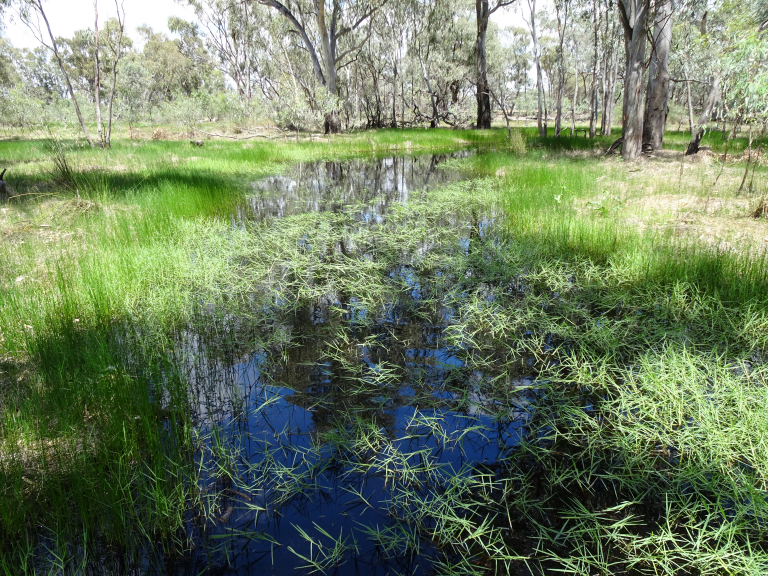
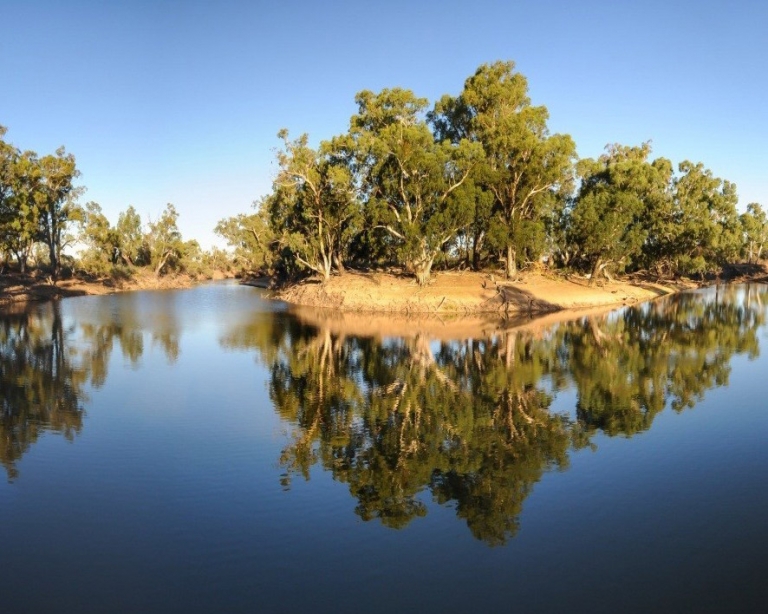
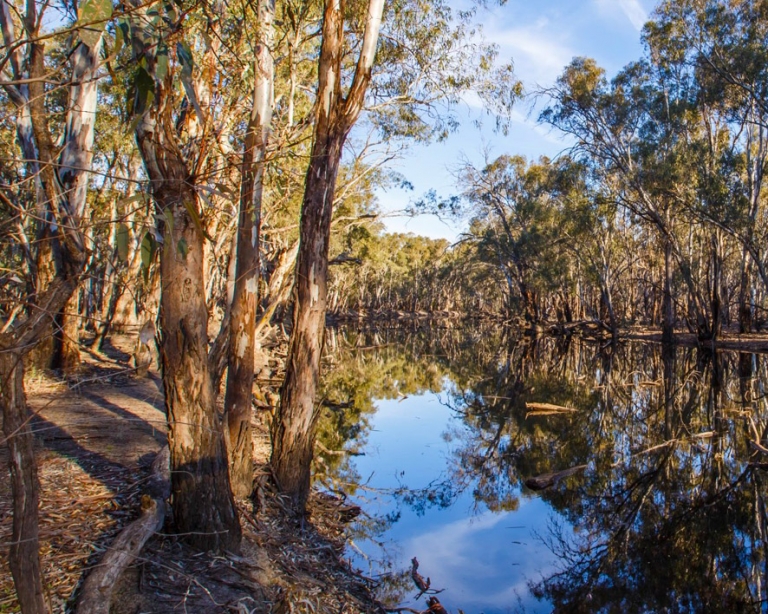
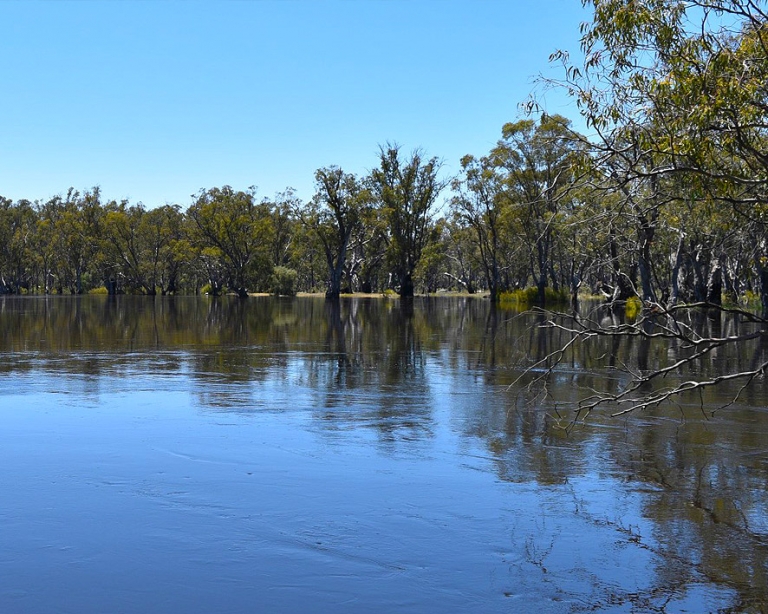
Healthier floodplains are good for local communities and visitors - healthy floodplains are beautiful places to visit and great for recreation like boating, fishing and camping.
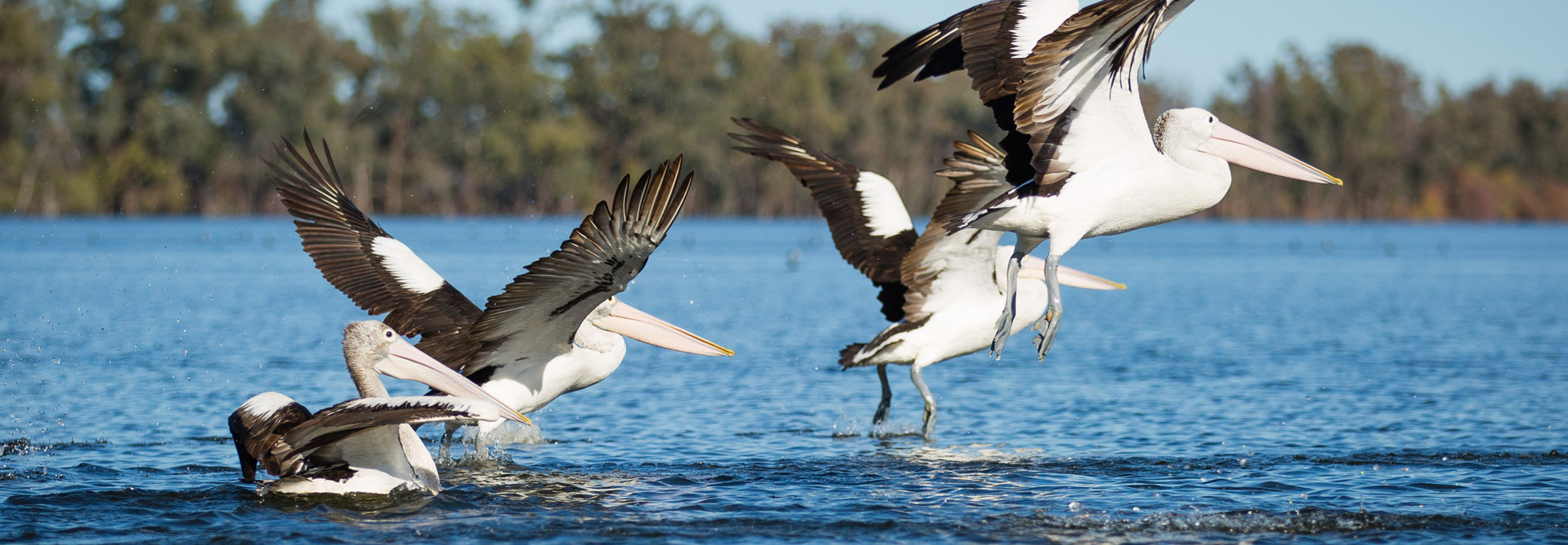
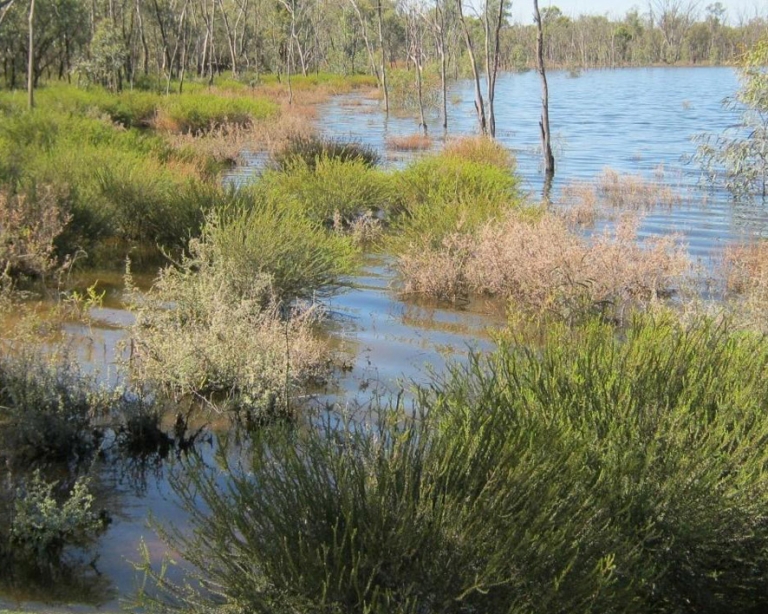
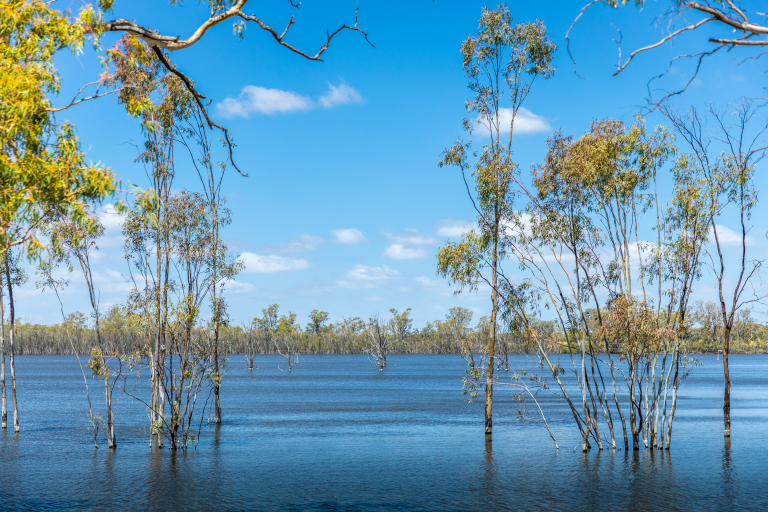
Healthier floodplains are good for local wildlife. Native species rely on floodplains for food, habitat and breeding, from microscopic creatures to frogs, fish, birds, bats and other mammals. We expect to see increased frog and fish populations, improved productivity of wetlands and improved breeding habitat for waterbirds and other waterway species.
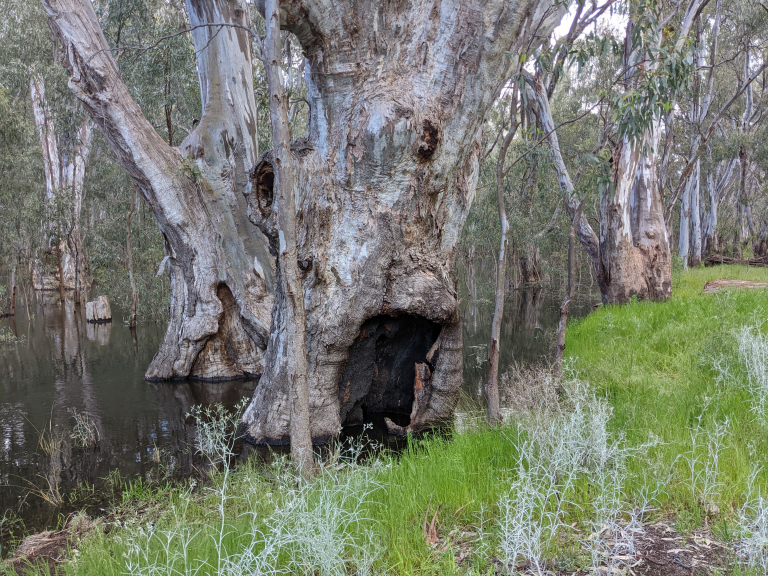
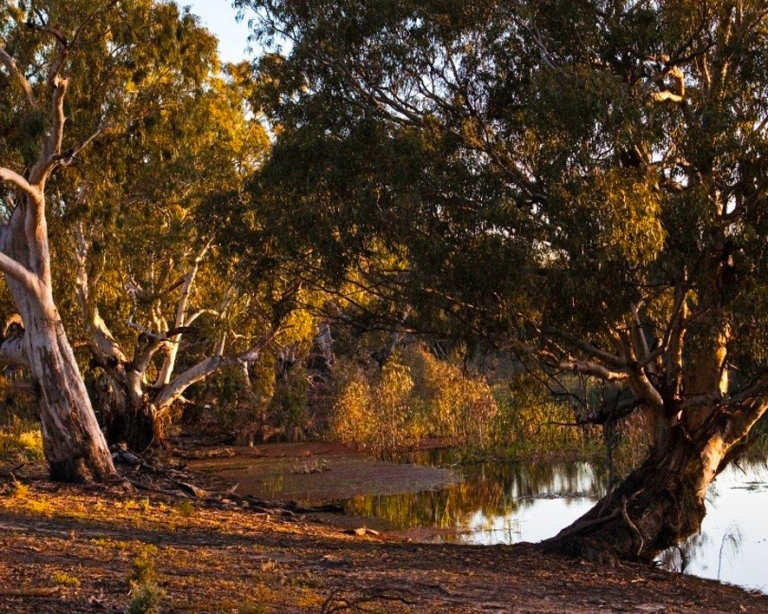
Healthier floodplains are good for vegetation. Flooding brings vegetation back to life, creating habitat, foraging and food for floodplain creatures. Some flood-dependent species like river red gums and black box trees rely on bigger floods that once occurred more frequently. Animals like bats and birds nest in the hollows of these trees. Healthier floodplains are also good for local economies - projects will bring substantial financial investment into the region, creating jobs and helping local economies.
How will you know if projects are delivering benefits?
Long-term monitoring of ecological, cultural and social outcomes before, during and after flood events will be used to check that whether projects are achieving the intended results. The approach can be adapted over time and future watering plans adjusted to achieve the VMFRP objectives.
How do you know these projects will work?
Since the early 1990s, the Victorian Government has partnered with stakeholders and communities to manage water to balance social, economic and environmental outcomes. This includes releasing 'water for the environment' into rivers and wetlands to mimic some of the flows that would have occurred naturally before the construction of dams, weirs and channels. This water helps protect the plants, animals and overall health of rivers, wetlands, floodplains and estuaries. A substantial body of research exists to support this work.
Infrastructure like regulators and fishways are already used across Victoria to improve river connectivity and flows. For areas that are difficult to reach with environmental water, improved water infrastructure will play a key role in supporting floodplain and wetland ecosystems. Similar infrastructure projects have already been successfully implemented at four Victorian sites along the River Murray – Gunbower Forest, Hattah Lakes, Lindsay Island and Mulcra Island – under The Living Murray (TLM) program. VMFRP projects will build on this work already completed. According to a TLM Icon site condition report in 2018, TLM sites using works to deliver environmental water over successive years are performing better against their ecological objectives than sites that haven't.
Are there other options?
The project has been progressed through more than a decade of planning, assessments and approvals in compliance with local, state and Australian Government legislation. This has included detailed extensive scientific studies, environmental assessments and consultation with residents, businesses and community groups since 2010.
During this process, all alternative options were explored, drawing on detailed investigations overseen by independent ecological, hydrological and engineering expert review panels. Due to the current unavailability of water, the VMFRP has been deemed the only viable option to get water onto floodplain environments for the duration required.
Suggestions to remove constraints would result in widespread and unsustainable flooding of farms, roads and housing along the river.
These floodplains will continue to decline without intervention, with climate change expected to increase pressure on these important paces.
How does VMFRP fit in with the Murray-Darling Basin Plan?
The project is part of Victoria’s commitment to the Murray–Darling Basin Plan to improve the health of rivers and floodplains, while supporting farming, communities and industries that rely on water.
Adding water to the floodplains
How will water be delivered to the floodplains?
Water will be delivered through a combination of natural inflows and managed temporary flows.
How do you know when to add water to the floodplains?
When the infrastructure is built and operational, planning and delivery of environmental water operations will be coordinated through catchment management authorities, in consultation with stakeholders including Traditional Owners, Parks Victoria, water authorities and the local community.
Watering decisions are based on seasonal conditions, river flows and monitoring of floodplain health, with flooding planned in advance to support ecological outcomes while managing safety, access and water quality risks. The infrastructure might not be used every year. If sufficient natural flooding occurs, then it may go several years without being used. But in dry times, the infrastructure can get water into the floodplains to keep them healthy and thriving.
Watering decisions will be guided by ongoing ecological monitoring, adapting over time to what the floodplain and its wildlife are telling us. Long-term monitoring of ecological, cultural and social outcomes will be undertaken before, during and after flood events to ensure the intended benefits are realised. Where outcomes do not align with expectations, management approaches will be adapted over time, including adjustments to future watering plans, to ensure the project’s objectives are achieved.
Environmental impacts
Will projects have negative ecological impacts?
Projects are likely to have some adverse impacts during construction and operation but overall, projects are expected to improve the biodiversity of the floodplain environments, with benefits significantly outweighing any negative impacts.
Many controls are in place during both construction and operation to protect vegetation, wildlife, water quality and culturally significant areas. Works are carefully planned and monitored in collaboration with project delivery partners to minimise impacts. If unexpected impacts occur, management approaches will be adapted in response.
Long-term ecological monitoring will continue to track the recovery of the floodplain and inform future watering decisions.
Projects must also go through an 18-month environmental assessment process with substantial community consultation before they get approval to go ahead. This process includes an independent assessment of project benefits weighed against potential and real impacts.
After construction, the sites will have operating plans with controls in place to monitor during flood events.
Longer term monitoring will also be in place to assess the environmental response and adapt watering plans accordingly.
Project timing and cost
What stage are projects up to?
Visit the project site pages for the latest information on the status of each project.
Who is funding these projects?
The VMFRP is funded by the Australian Government and delivered by the Victorian Government, Lower Murray Water, Goulburn-Murray Water, Mallee and North Central Catchment Management Authorities and Parks Victoria.
Planning and approvals (EES)
What approvals do projects need?
Under the Environment Effects Act 1978 (Vic), Victoria’s Minister for Planning determined that the projects require assessment through an Environment Effects Statement (EES) or Environment Report. The Commonwealth Minister for the Environment also determined that the projects are ‘controlled actions’ requiring assessment under the Environment Protection and Biodiversity Conservation (EPBC) Act 1999. This assessment is being done by the Victorian Government through an accredited assessment process under the EPBC Act.
The environment assessment includes specialist assessments, project descriptions and maps, and outlines how the community and stakeholders have been consulted and their feedback considered.
A Planning Scheme Amendment is also needed for each site under the Planning and Environment Act 1987 (Vic.). These are exhibited alongside the environment assessment documentation for public feedback.
Cultural heritage
How is cultural heritage being managed?
Traditional Owners have cared for and sustainably managed the cultural landscapes of the Murray River and its floodplains for thousands of years. The VMFRP projects are located on land that that holds significant Aboriginal cultural value and includes places of registered cultural heritage significance. A Cultural Heritage Management Plan has been prepared for each site in consultation with Traditional Owners and specialist consultants. The plans assess the potential impact on Aboriginal cultural heritage and outlines protections before, during and after construction. These plans are required under the Aboriginal Heritage Act 2006 (Vic.)
Construction
How will sites be protected during construction?
Protecting national and regional parks is a priority. Construction is guided by approved environmental and cultural heritage management plans, with guidelines in place to protect vegetation, wildlife, water quality and culturally significant areas. Works are carefully planned and monitored in collaboration with project delivery partners and Traditional Owners to minimise impacts during construction. Where possible, construction will take place on existing access tracks and areas that have already been disturbed. Plans have been developed through an extensive environmental assessment process that has satisfied both the Australian and Victorian Governments that the project will achieve its ecological, social and cultural objectives while minimising environmental impacts during construction and beyond.
Will construction cause disruption?
Building infrastructure in a national or regional park requires careful management. Construction is guided by approved environmental and cultural heritage management plans, with controls in place to protect vegetation, wildlife, water quality and culturally significant areas. Works are carefully planned and monitored in collaboration with project delivery partners to minimise impacts during construction. Where possible, construction will take place on existing access tracks and areas that have already been disturbed.
Will trees be removed as part of the project works?
To support the long-term health of the floodplain and enable works to be carried out safely and effectively, a limited number of trees will be removed within the defined construction footprint. Tree removal has been carefully assessed through the project’s environmental approvals process, and the footprint has been refined to minimise impacts wherever possible. Removed timber will be repurposed wherever feasible, including for fish and wildlife habitat, park improvements, and contribution to existing firewood programs, in compliance with all relevant approvals and environmental controls.
Sign up to receive updates
If you would like to receive email updates about the VMFRP, please register here.
Register for updatesContact the project team
If you have questions about the VMFRP, or would like to provide feedback, please email the project team. We’ll put you in touch with the right person.
info@vmfrp.vic.gov.au