Vinifera
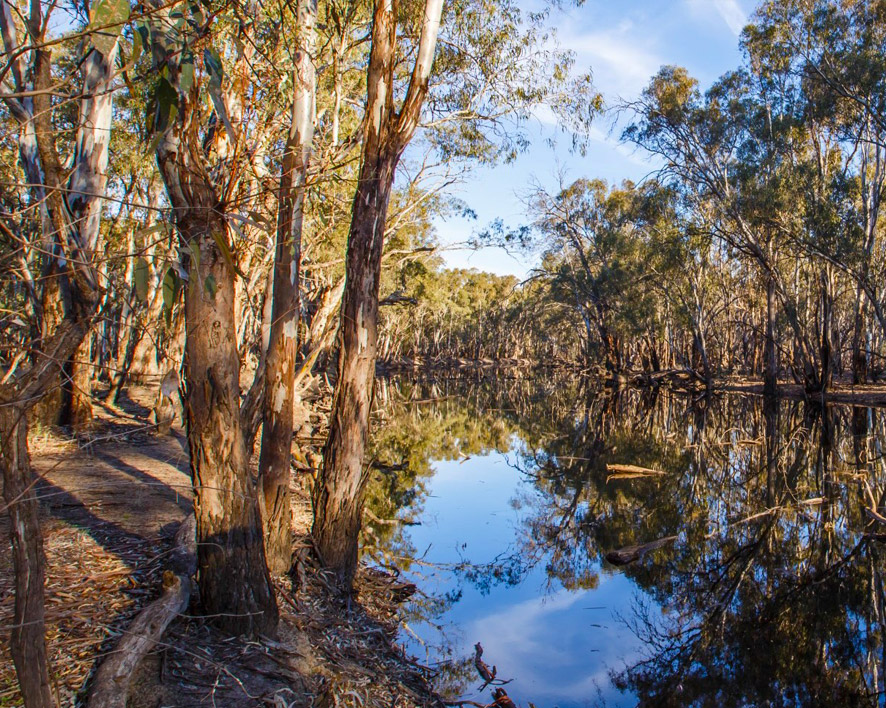
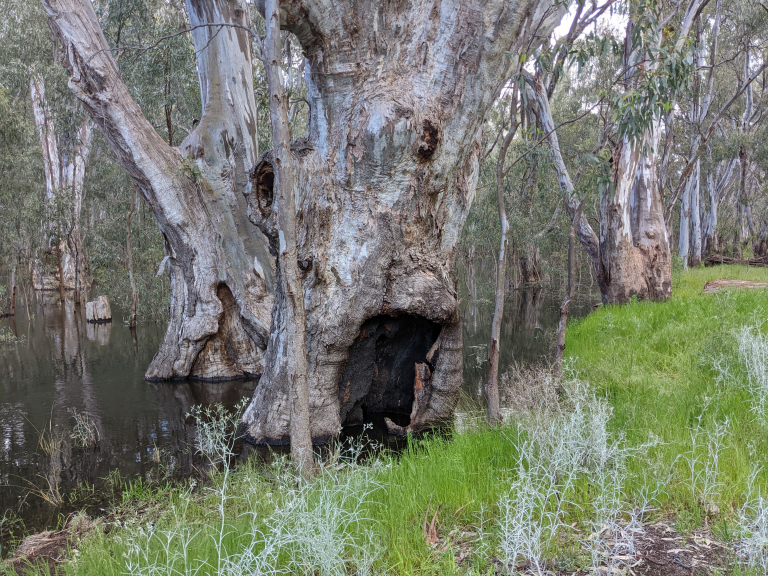
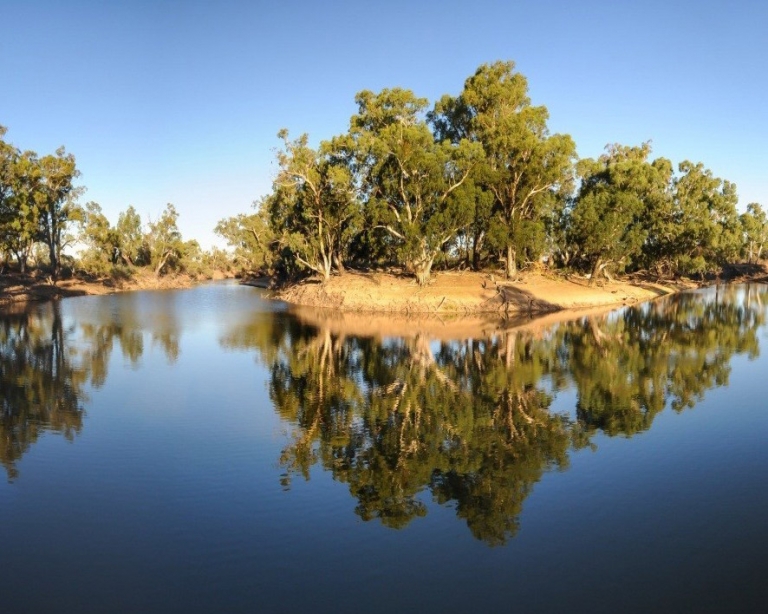
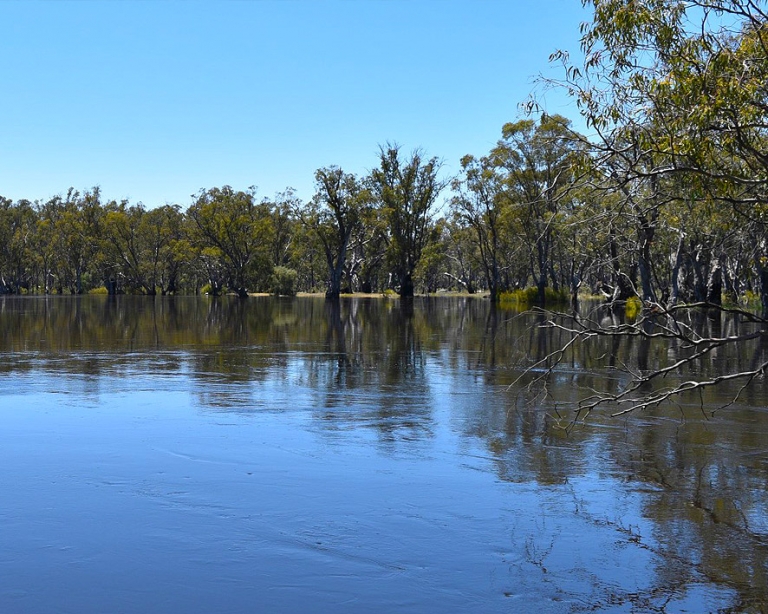
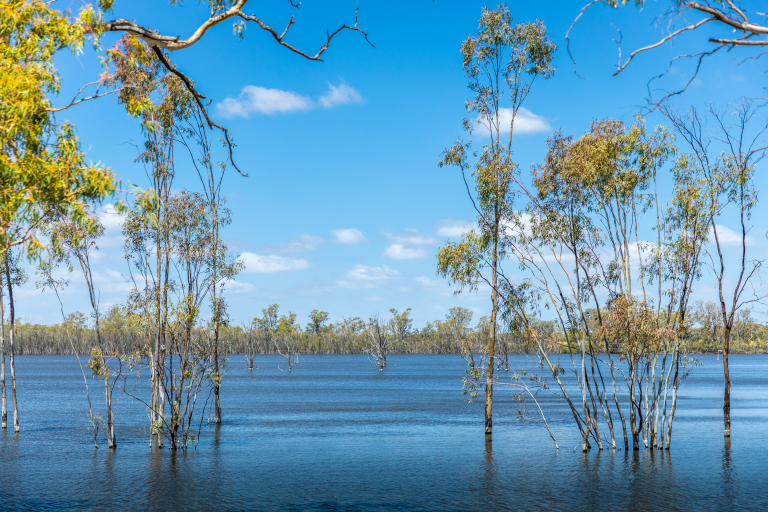
The Murray River Vinifera floodplain within Nyah-Vinifera Park supports community connection through recreation and outdoor activities.
Latest news
Construction activities have commenced. Temporary access changes and track closures within Nyah-Vinifera Park are now in place. Visitors are advised to check the Parks Victoria website or the Community Update notifications below for the latest access information. To report an issue, please contact the team at 1800 808 830.
About
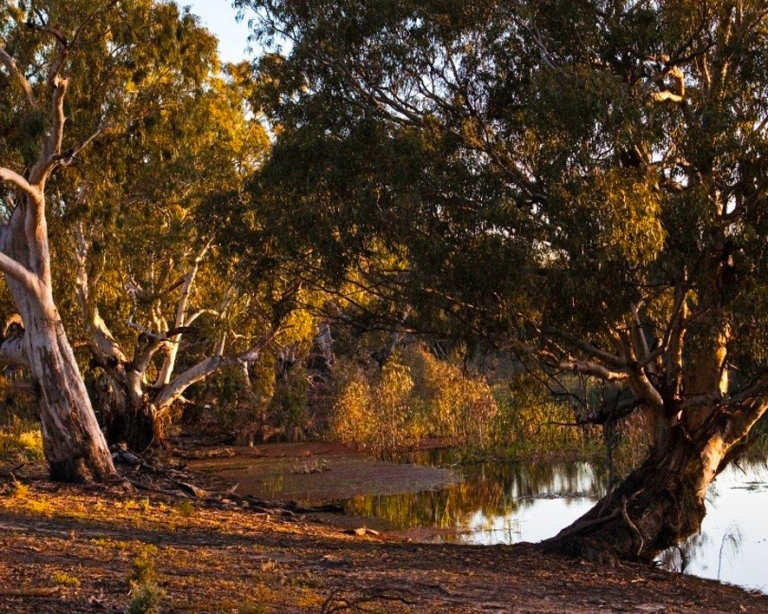
The Murray River and its floodplains are central to the identity of regional communities like Vinifera, as places of environmental, recreational, and deep cultural and historical significance.
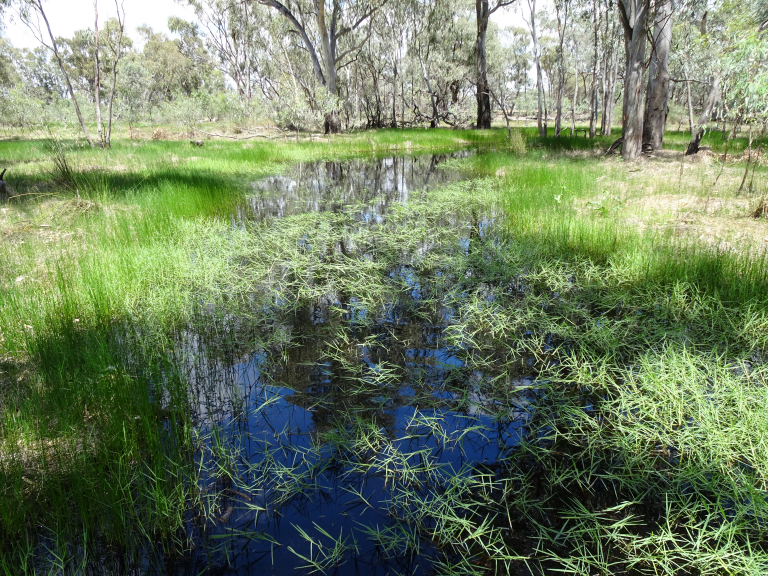
Over the past 100 years, floodplains have gradually deteriorated as a result of Murray River regulation. Water is not reaching some parts of the floodplains as often as it should, or at all.
Vinifera Creek has been modified over time and is now completely disconnected from the Murray River at the southern end, which has reduced healthy habitat for native plant and animal species.
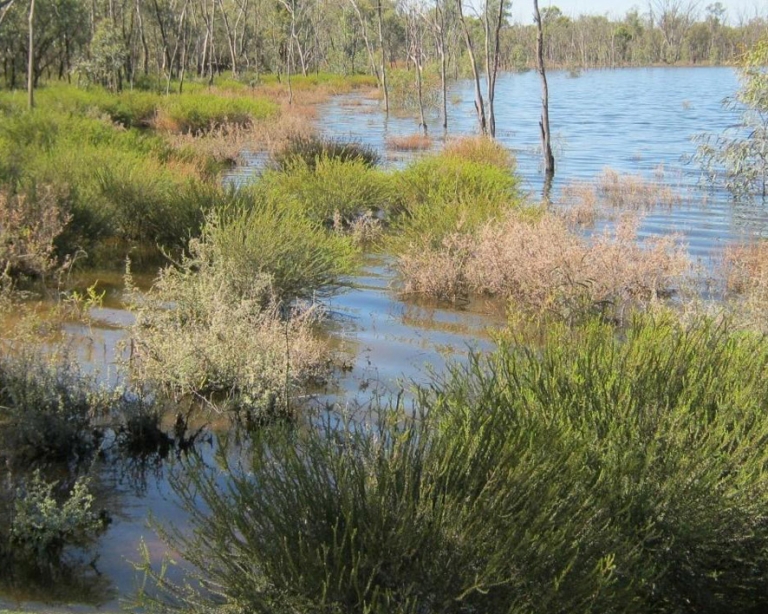
VMFRP environmental works at Vinifera involve creating a system of containment banks and gates (also known as regulators), to help these floodplains function more like they once did. Improved water movement across the floodplains will allow the forests and wetlands to regenerate so native animals can survive and thrive.
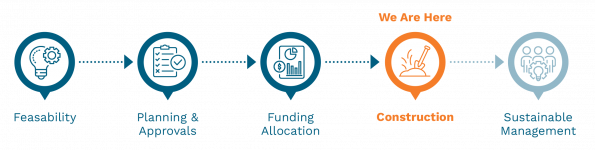
Project milestones:
Project features
Four regulators, which act as gates, will be installed to help control water movement on and off the floodplain. The specifications for each regulator are:
- 1 pipe regulator, 1350mm wide x 1350mm high
- 1 gate, 1800mm high x 1200mm wide
- 4 gates, each 1800mm wide x 1800mm high
- 10 gates, each 1800mm wide x 1500mm high
Other project features:
- 2.3 km of containment banks will be constructed along existing tracks with low profiles designed to blend into the landscape. The average height will be one metre, and no greater than 1.5 m high.
- One drop structure to provide erosion control for flows returning into the Murray River
- One permanent hardstand area (for temporary pumps to transfer environmental water, as required)
- Upgrades to existing access tracks
- New access tracks
Refer to Vinifera Infrastructure Map for a site map depicting the location of infrastructure.
Location
The project site for Vinifera is located north-west Victoria, 20 km north-west of Swan Hill and within the Nyah Vinifera Park.
Project benefits
-
142 rare or threatened species
Are expected to benefit from more frequent watering events.
-
More than 2,000 large trees
Will benefit from improved watering events.
-
340 hectares
Of lakes and floodplain targeted for improved ecological health.
-
Local employment
Opportunities during construction and operation.
-
Cultural significance
Aboriginal cultural significance acknowledged and respected.
-
Improved resilience to threats such as climate change
Through carefully timed watering events.
Planning and compliance
The Vinifera project received planning approval under the Environment Effects Act 1978 (Vic) in October 2023. The Environment Report, together with a draft Planning Scheme Amendment was on public exhibition for six weeks between January and March 2023. A public hearing was held in March 2023, and the Standing Inquiry and Advisory Committee referred the project to the Victorian Minister for Planning to make a final determination (to approve or reject the proposal). The Minister’s assessment found that while some adverse impacts will occur during construction, VMFRP works will yield significant biodiversity improvements. As part of the conditions of approval, the construction and operation of the project must comply with the conditions set out in the Minister’s Assessment of the project.
Construction
VMFRP environmental works are the only viable option to restore and protect the Nyah-Vinifera Park floodplains. Building infrastructure in a national park requires careful management. Construction is guided by approved environmental and cultural heritage management plans, with controls in place to protect vegetation, wildlife, water quality and culturally significant areas. Works are carefully planned and monitored in collaboration with project delivery partners to minimise impacts during construction. Where possible, construction will take place on existing access tracks and areas that have already been disturbed.
What to expect during construction
- Increased traffic and heavy vehicle movements on local roads
- Temporary changes to access within the park
- Construction activity during working hours (7am to 6pm)
- Installation of temporary fencing and signage
Construction impacts will be monitored before, during and after works. If unexpected impacts occur, management approaches will be adapted in response. Temporary construction disturbance areas will be rehabilitated, with tracks and surrounding areas restored to the same or better condition than prior to works, supporting improved long-term environmental and land management outcomes.
Long-term ecological monitoring will continue after construction is complete to track the recovery of the floodplain and inform future watering decisions.
Temporary park access changes
Temporary access changes are in place during construction:
- River Track at Vinifera will be closed during works, meaning there will be no vehicle access into Nyah-Vinifera Park at Vinifera throughout 2026.
- Walking tracks within the park, and outside the work zone will remain open.
More information about track closures within the park is available in the Community Update section below.
Project documents
-
Download Environmental Management Framework Nyah and Vinifera Floodplain Restoration Projects (PDF, 1.84 MB)
Environmental Management Framework Nyah and Vinifera Floodplain Restoration Projects
-
Download Construction Environmental Management Plan Nyah and Vinifera Floodplain Restoration Projects (PDF, 2.42 MB)
Construction Environmental Management Plan Nyah and Vinifera Floodplain Restoration Projects
-
Download Vinifera Map - Temporary Access Changes (PDF, 598.66 KB)
Vinifera Map - Temporary Access Changes
-
Download Vinifera Map - Infrastructure (PDF, 613.36 KB)
Vinifera Map - Infrastructure
Community Updates
-
Download Media Release (PDF, 355.53 KB)
Media Release
-
Download Nyah-Vinifera Project Update Notification April 2026 (PDF, 2.08 MB)
Nyah-Vinifera Project Update Notification April 2026
-
Download Nyah-Vinifera Project Update Notification June 2026 (PDF, 1.55 MB)
Nyah-Vinifera Project Update Notification June 2026
Frequently Asked Questions
Why are floodplain restoration works required at Vinifera?
What happens if the floodplains are not restored?
Why was Vinifera chosen?
How is the Nyah-Vinifera Park being protected from construction impacts?
Will trees be removed as part of the works?
What measures are in place to stop weed and pest contamination during construction?
How will water be delivered to the Vinifera floodplain?
Will park access be restricted during flow events?
How does Vinifera fit in with the broader VMFRP project?
How do we know the project will work?
How are Traditional Owners involved?
What happens if cultural heritage is discovered during construction?
How are cultural heritage values being managed?
Sign up to receive updates
If you would like to receive email updates about Vinifera, please register here.
Register for updatesContact the project team
If you have questions about Vinifera, or would like to provide feedback, please email the project team. We’ll put you in touch with the right person.
info@vmfrp.vic.gov.au